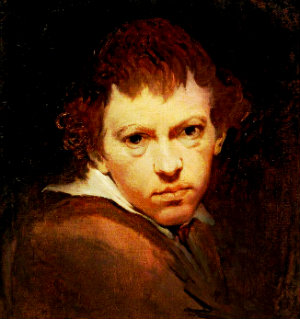
James Barry
1741-1806
Irish Neoclassical Romantic Painter
Artistically and Stylistically Influenced by the Following Painters - Titian, Leonardo da Vinci, Raphael, Michelangelo, Nicolas Poussin and Piero della Francesca
Cause of Death - typhoid
Description and Origins of the Neoclassic Art Movement
James Barry expressed through his art a belief in rights for the common
man and political liberty. Scandalously, he was the only painter ever
kicked out of the Royal Academy. The ruling hierarchy despised his
controversial views and considered him threat to the political and
artistic status quo. Barry ended up in financial ruin until a member of
the aristocracy allotted him a generous pension.
The period is called neoclassical because its artists looked back to the art and culture of classical Greece and Rome. The spread of Neoclassical Art was primarily inspired by recent roman archeological excavations, including Pompeii and by gay art historian Johann Joachim Winckelmann. Winckelmann wrote about sculptures and architecture from Classical Antiquity thereby encouraging an interest in Greek antiquities. Neoclassical art is characterized by its classical form and structure, clarity, and to an degree, realism.
Require more information about the famous Irish Neoclassism James Barry and painters and paintings in art history? Type your query in art into the google search box below and poke around every nook and cranny of the known universe for information this subject.
© HistoryofPainters.com If you like this page and wish to share it, you are welcome to link to it, with our thanks.
If you feel you have worthwhile information you would like to contribute we would love to hear from you. We collect essential biographical information and artist quotes from folks all over the globe and appreciate your participation. When submitting please, if possible, site the source and provide English translation. Email to millardmulch@gmail.com