100 Greatest Painters Artists Alphabetically Artists by Country Artists by Century Artists by Movement
The Hidden Symbolism of Fruit in Western Painting
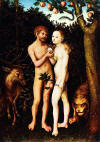
A ripe apple, a peach, a golden pear, a lemon, a juicy strawberry, an pomegranate—all are charmingly decorative to the average viewer. For painters of Byzantine, Gothic, Northern Renaissance and Italian Renaissance periods, fruit was part of a rich visual language. Art-works exhibited in public, mostly in churches and courthouses, were a stern proclamation that everyone could readily understand. These paintings, with their layer upon layer of vivid symbolism, served as a grim reminder to anyone harboring lustful thoughts or indulging in carnal pleasures. They warned the viewer that death was just around the corner and Satan was at the ready with his pitchfork. Paintings throughout Western history have been used as guides in illuminating the divine mysteries of Gods Holy Word. Bread and wine are prominently featured in painting throughout Western art history.
In a culture of limited literacy symbolic imagery was vital in enlightening the masses. Most prominently featured Fruit in Byzantine, Gothic and Renaissance Painting:
apple - Carnal pleasures and sin; sins of mankind, original sin; forbidden fruit. When shown in the Garden of Eden, the apple tree symbolizes sin and mans fall from grace. And the Lord God commanded the man, “You are free to eat from any tree in the garden; but you must not eat from the tree of the knowledge of good and evil, for when you eat of it you will surely die.” — Genesis 2:16-17.
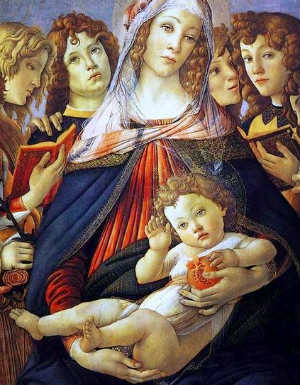
Fig - a symbol of lust and depravity. Symbolizes loss of innocence and a fall from grace. Adam and Eve wore fig leaves when they first recognized their own nakedness. "And the eyes of them both were opened, and they knew that they were naked; and they sewed fig leaves together, and made themselves aprons." (Genesis 3:7)
lemon - Symbolic of a bitter heart or a sour disposition; resentment; unresolved conflict.
Pear - Symbolizes marital faith. Also associated with Saint Catherine, as the mystical bride of Christ.
Grapes Signify lewdness and lustful thoughts.
Orange -Symbol of free will.
Strawberry -Symbol of harmony, nourishment of the soul.
Peach - Symbol of virtue and honor. A rotting or half-eaten peach symbolizes a woman who has tarnished her reputation with immoral behavior.
Date Palm Tree or frond symbolizes of victory, spiritual renewal and wisdom. "ye shall take for you in the first day the fruit of a tree of honor, spathes of palm-trees, and a branch of a dense tree, and willows of the torrent; and ye shall be glad before Jehovah your God seven days - Lev. 23:40
The Meaning of Sacred Symbols in Paintings. Most prominently featured symbols and their meaning:
☼☼☼☼☼
Search for Artists by Century
Important Painters Born in the 13th Century Important Painters Born in the 14th Century Important Painters Born in the 15th Century Important Painters Born in the 16th Century Important Painters Born in the 17th Century Important Painters Born in the 18th Century Important Painters Born in the 19th Century☼☼☼☼☼
If you feel you have worthwhile information you would like to contribute we would love to hear from you. We collect essential biographical information and artist quotes from folks all over the globe and appreciate your participation. When submitting please, if possible, site the source and provide English translation. Email to historyofpainter@gmail.com
© HistoryofPainters.com 2017
If you like this page and wish to share it, you are welcome to link to it, with our thanks.