The History of Art And The Curious Lives of Famous Painters
|
||||
|
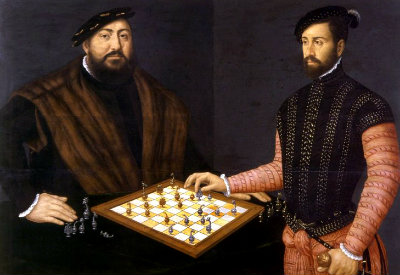
Biography Giulio Campi came from a long line of distinguished painters and fine craftsmen. He was a striking young man, famous for his eye-catching good looks, piety and technical virtuosity. From an early age he demonstrated extraordinary artistic gifts and after training with his father, Galeazzo, he was sent to Mantua to be trained under the legendary Renaissance master Giulio Roman. He worked occasionally in Rome but primarily in Cremona, a city in northern Italy, situated in Lombardy. Establishing himself as a painter of church commissioned biblically themed frescoes and panel portraiture. His dazzling paintings and frescoes were influential in the artistic development of many Italian painters who came after him, most notably his sons and grandsons. Campi's 'The Raising of Lazarus', circa 1547, is one of the greatest masterpieces of the High Renaissance.
|
||||
|
About The High Renaissance Period The Renaissance marks the victory of individualism and the uncompromising prominence of he individual. Artists of the Renaissance were elevated in social standing and their art was no longer looked upon as simple handicrafts, but as divinely inspired creations. The spirit of an era awoke, revitalized with knowledge and creativity. The major painters of the Renaissance were not only artists but men of great genius who gave the world their great intellectual gifts. Florentine and Venetian painting were both formed by extraordinary personalities. These men tackled mathematical, artistic and philosophical problems of the highest interest, and presented solutions that have never lost their value. A new philosophy and way of thinking called "humanism" emerged. Stimulated by a flood of interest in classical knowledge. According to the late writer, Christopher Dawson, "For humanism also appeals to man as man. It seeks to liberate the universal qualities of human nature from the narrow limitations of blood and soil and class and to create a common language and a common culture in which men can realize their common humanity." The sense of humanism pervading renaissance painting is still palpable. The painters touched on a multitude of issues regarding the human condition - death, love, reason, religion, universal morality, social problems. |
||||
|
Key Descriptive Words and Phrases associated with the Renaissance Movement - rebirth, rediscovery of the classical world, publication of Della Pittura, a book about the laws of mathematical perspective for artists, sfumato, chiaroscuro, spiritually significant, illuminated manuscript, idealized biblical themes, scriptorium, illuminator, Age of Discovery, curiosity about the natural world, realistic use of colours and light, Old Testament stories, ethereal and foggy backgrounds, The Blackdeath, Gospel parables, romanticized landscapes, Christian symbolism.
Require more facts and information about Giulio Campi and the artists of the renaissance era? Poke around every nook and cranny of the known universe for information this subject. Search Here © HistoryofPainters.com If you like this page and wish to share it, you are welcome to link to it, with our thanks. If you feel you have worthwhile information you would like to contribute we would love to hear from you. We collect essential biographical information and artist quotes from folks all over the globe and appreciate your participation. When submitting please, if possible, site the source and provide English translation. Email to millardmulch@gmail.com |